
How Cold Is Lapland in Winter? An Honest Guide for Families
How cold is Lapland in winter? A local guide to real temperatures, why dry cold feels milder, and how to keep kids warm and happy outside.
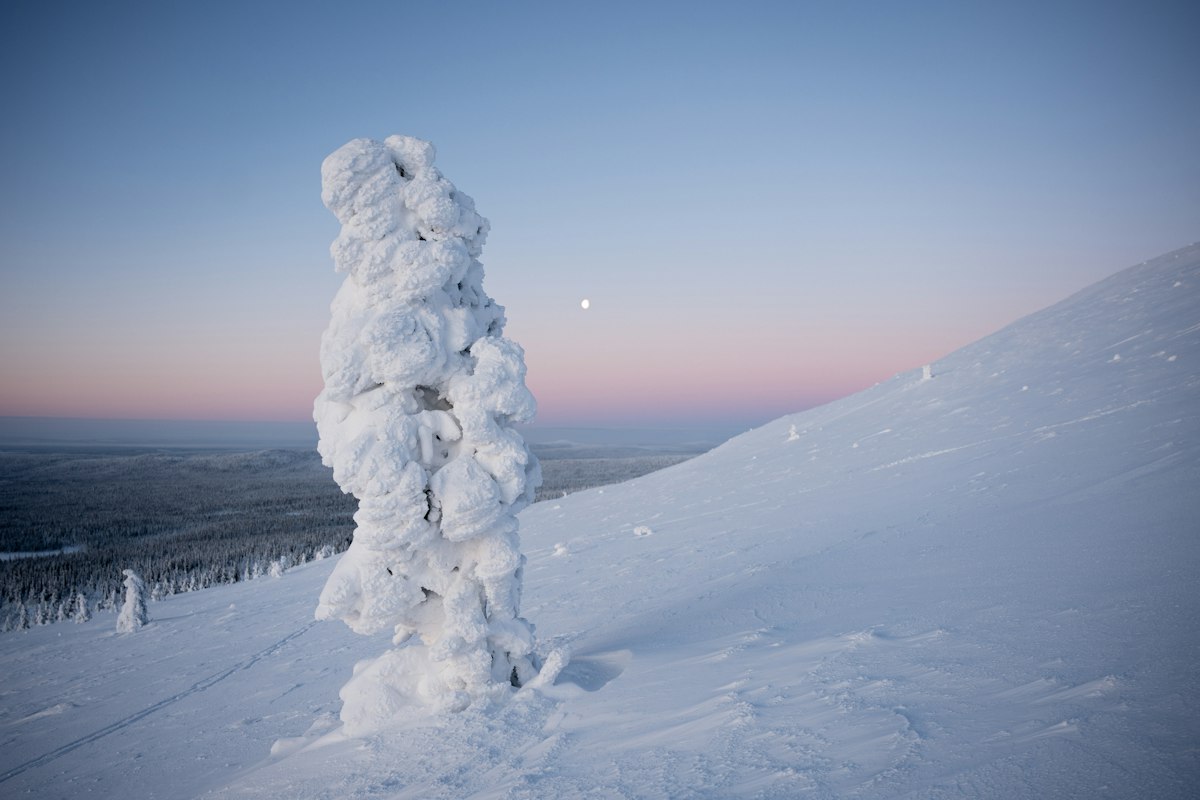
Photo: Unsplash
Most families who write to me ask the same question before they ask about huskies or Santa: how cold is Lapland in winter, and will our children cope? It's a fair worry. The cold here is real, and I won't pretend otherwise. After many winters guiding families through it, though, I can tell you it is rarely what spoils a trip. Poor clothing and poor pacing do that.
Here's what the cold feels like, how it changes through the season, and how to plan around it with kids.
How cold is Lapland in winter, really?
It varies more than people expect, from week to week and from place to place. On a typical midwinter day you can expect somewhere around minus 10 to minus 20 degrees. Some days sit just below zero, with soft, heavy snow. In other weeks a cold spell settles in and the thermometer drops to minus 30 or lower for a few days, usually on still, clear nights.
Treat any average as a rough guide. Check the forecast a week before you travel, and pack for the colder end of it.
Dry cold feels different
Visitors from Germany, Austria and Switzerland are often surprised by this. Minus 15 in Lapland tends to feel milder than minus 5 on a damp, windy day at home. The air is dry and, inland, often still. Your body loses heat faster through wet clothes and wind than through low temperature alone.
That's also the catch. Wind changes everything. An open fell top, a frozen lake or the back of a snowmobile feels far colder than a sheltered forest at the same temperature. When you plan activities, think about exposure as much as the number on the thermometer.
How the cold changes through the season
| Period | What to expect |
|---|---|
| November to mid-December | Often milder, snow can still be thin, temperatures swing between light and moderate frost |
| Late December to February | Usually the coldest stretch, with the best chance of deep, settled frost |
| March | Still proper winter, often softer in the afternoons, with long light and bright sun on the snow |
December can be milder than many expect, while January and February tend to bring the steadiest cold. March is a favourite for many families: real winter, with longer days and gentler afternoons. My month-by-month guide to the best time to visit Finnish Lapland goes deeper on how each month feels.
Lapland in the cold with kids: what matters
Children cool down faster than adults, and small children can't always tell you they're cold until they're miserable. So the plan has to do that work for them.
Short blocks outside. Plan outdoor time in chunks, then come back to a warm room. Younger children do well with shorter spells; older ones manage longer once they're dressed right. Watch the child, and let the clock follow.
Warm-up points built in. A good safari includes a campfire stop or a heated hut. When I plan a family day, I check where the warm points are before anything else.
Hands, feet and faces first. Cold fingers and toes end most outings. Mittens keep children warmer than gloves, boots need room for a thick sock, and a neck gaiter or balaclava protects cheeks on windy days. On the coldest days, check faces now and then for pale patches.
Snacks and warm drinks. A body burns more energy staying warm. A thermos of warm berry juice and something to eat does more for morale than any activity.
A sled for the smallest. On longer walks, a pulled sled with a blanket or reindeer hide lets toddlers rest without getting tired and cold.
How to dress for the cold
Layering is the whole method. A base layer of merino wool or synthetic next to the skin, a warm mid layer such as fleece or wool, and a windproof outer layer on top. Avoid cotton against the skin: once it's damp from sweat, it stays cold.
The second rule: don't bundle up for a short walk and then sweat in a warm minibus. Open a layer when you're moving and close it when you stop.
Many safari operators lend thermal overalls, boots and mittens for their tours, and you can rent children's winter gear in the main resorts instead of buying it for one trip. For the full list, see my family packing list for Lapland.
Which activities feel coldest?
Anything fast or exposed. Sitting in a sled behind dogs or riding on a snowmobile, the wind of your own speed adds to the chill, so an extra layer and a face cover make a big difference. Waiting for the northern lights is the other one: you stand still for a long time, late at night, when the coldest hours arrive.
Active things feel warmer. Snowshoeing, cross-country skiing and sledging keep you moving, and children warm up fast when they're playing. Many families find the simplest hours outside, digging a snow cave or sledging near the cabin, are the ones where nobody notices the cold at all.
When the cold changes your plans
Operators have their own limits. In very deep cold, some tours may be shortened or moved, especially for young children. That's a good sign: it means they take safety seriously. Build a little slack into your week so a bitter day becomes a sauna and board-game day rather than a lost booking.
Cold is part of the magic
Deep frost brings many of the things people travel here for. The snow squeaks under your boots. Trees turn white under frozen snow. Clear, cold nights are often good nights for the aurora. Families who come prepared tend to talk about the cold afterwards as part of the story.
How Aarni helps
When I plan a trip, I pace each day around the cold: one main activity, warm breaks in the right places, and operators who lend proper gear and know how to look after children. I'll also tell you honestly which month suits your family's tolerance for cold, before you book anything.
If you're wondering whether your family is ready for a Lapland winter, write to me about your children and your dates. Start your journey.
Planning a trip to Lapland?
We plan one trip at a time, by hand, around the people travelling. Tell us what you're after and we'll come back to you personally.
Start planning