
What to Wear in Lapland: The Complete Family Packing List
Most families either underdress for Lapland or spend money on children's gear they'll outgrow by spring. This packing list tells you exactly what to bring, what to rent, and what you can skip entirely.
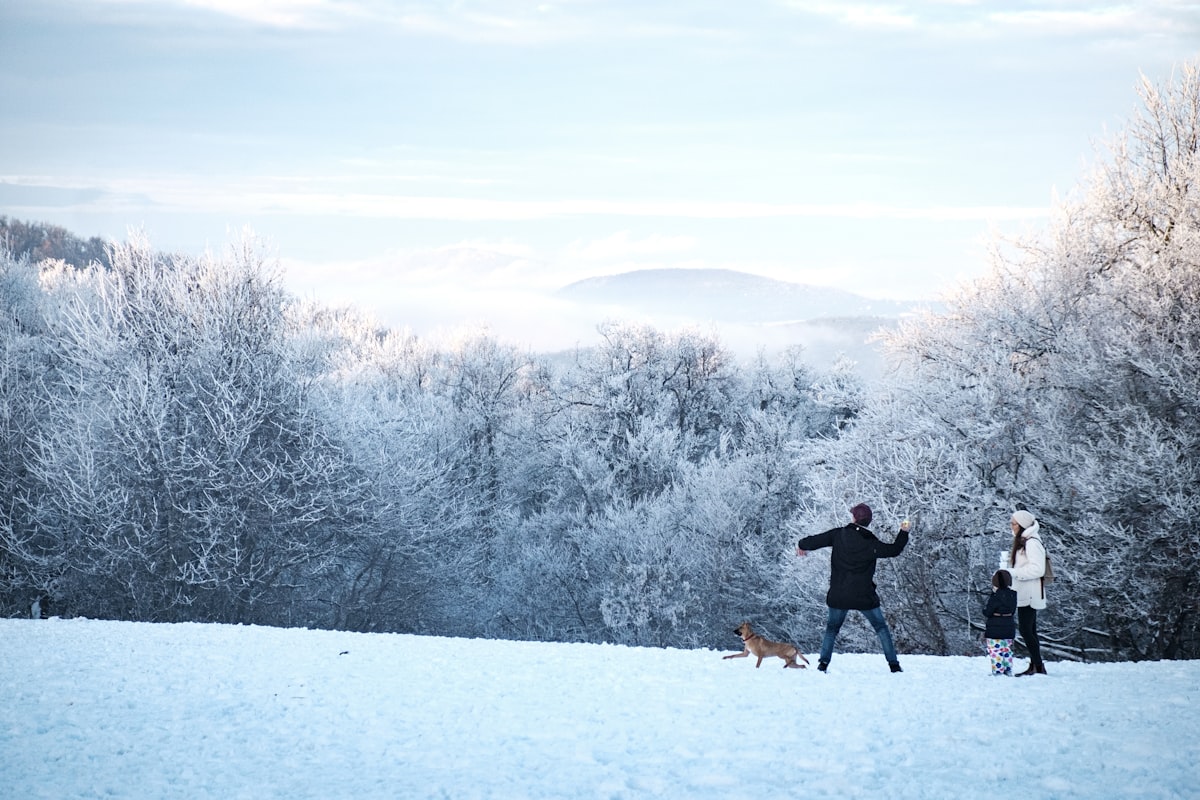
Photo: Unsplash
Packing for Lapland is different from packing for any other winter trip. You're not going to a ski resort where you can duck inside every 20 minutes. You're sitting in a sled at -18°C. You're standing still on a frozen lake for an hour. You're moving between warm cabins and extreme cold multiple times a day.
The stakes are simple: dress your family right and they'll love every minute of it. Get it wrong and you'll spend the trip managing miserable, cold children.
Here's what actually works.
The layering system — the only thing that matters
Everything in Lapland clothing comes back to three layers working together. Not one very warm layer. Three layers that trap heat, move moisture, and block wind.
Layer 1 — Base layer (next to skin) This layer moves sweat away from the body. The material is everything: merino wool or synthetic only. Never cotton. Cotton absorbs moisture and holds it against the skin, which causes rapid heat loss in cold temperatures.
For children: thin merino wool tops and leggings. They're worth buying — you'll reuse them for years and they work better than anything rentable.
Layer 2 — Mid layer (insulation) This layer traps warm air close to the body. A fleece jacket or down gilet works well for most conditions in Lapland. You're not trying to do all the work here — that's the outer layer's job.
Layer 3 — Outer layer (protection) Windproof, waterproof, and insulated. For children in Lapland this means a proper thermal snowsuit — the kind rated to at least -20°C. This is the one item most families should rent locally rather than buy. Every major Lapland resort offers rental snowsuits and boots for children at €10–20 per day. For a 5-night trip, that's €60–100 per child — significantly less than buying gear they'll outgrow by next winter.
What to bring from home
These items are worth packing because they're hard or expensive to rent, or because quality matters:
For adults and children:
- Thin merino wool base layers (top and bottom) — one per person per 2–3 days
- Merino wool or thermal socks — at least 2 pairs per person
- Balaclava or neck gaiter — essential below -10°C
- Wool hat that fits under a hood
- Waterproof gloves or mittens — bring two pairs: a thin liner glove and a waterproof outer mitt
- Sunglasses — March sun on snow is genuinely bright
- Hand warmers — buy a bulk pack before leaving home; they cost 2–3x more at resort shops
For children specifically:
- Warm boot liners or thick wool boot socks
- An extra mid-layer fleece for evenings
- One indoor outfit per day (they'll be warm inside cabins and restaurants)
What to rent in Lapland
Rent these locally. It saves money and luggage space.
- Children's snowsuits — thermal overalls rated for Arctic temperatures. Available at all major resorts.
- Children's Arctic boots — rental boots meet the temperature requirements that most family-owned "winter boots" don't. Boots should be rated to -30°C, not just "winter use."
- Adult snowsuits — if you don't own proper ski or outdoor gear, rent it. One-piece thermal overalls are available for around €15–20 per day.
- Snowshoes — if you're planning a snowshoe walk, most operators provide these as part of the activity.
- Pulkka (child sled) — for toddlers who tire on walks. Often available to borrow from accommodation.
What not to bring
- Heavy bulky ski jackets — they take up luggage space and most aren't warm enough for Lapland anyway
- Multiple pairs of jeans or thick trousers — useless under a snowsuit and too hot inside
- Children's "winter" boots from home — most aren't rated below -10°C and will fail you in Lapland temperatures
- Cotton anything as a base layer — already covered above, but worth repeating
Temperature guide: what to wear when
| Temperature | Children | Adults |
|---|---|---|
| 0°C to -5°C | Base + mid + thin outer | Fleece + windproof jacket |
| -5°C to -15°C | Full 3-layer + rental snowsuit | Full 3-layer + snowsuit |
| -15°C to -25°C | Full 3-layer + snowsuit + balaclava + double gloves | Full 3-layer + snowsuit + balaclava + hand warmers |
| Below -25°C | Add extra mid layer, limit outdoor time | Extra insulation, cover all exposed skin |
Managing cold with young children
Children lose body heat faster than adults, particularly through their feet and hands. A few practical points:
Feet: Rental Arctic boots are important precisely because most family-owned boots aren't rated for real Lapland temperatures. Wet feet from inadequate boots ruins a day faster than anything else.
Hands: Young children (under 6) do best with mittens rather than gloves — mittens keep fingers together and retain heat better. A thin liner glove under a waterproof mitt gives flexibility when fine motor skills are needed (like holding hot chocolate).
Warming up: Build warm-up breaks into your day. After 60–90 minutes outdoors, children benefit from 20–30 minutes inside before the next activity. Most Lapland operators have warm shelter at their base — use it.
Drying gear: Most Lapland cabins have a drying room or heated boot storage. Put wet gloves and boot liners in here overnight. Starting the next day with dry gear matters more than most people realise.
The printable packing checklist
Buy/bring from home:
- Merino wool base layer tops (1 per person per 2–3 days)
- Merino wool base layer bottoms (same)
- Merino wool or thermal socks (2+ pairs per person)
- Fleece mid layer for each person
- Balaclava or neck gaiter
- Wool hat
- Thin liner gloves
- Waterproof outer mittens or gloves
- Sunglasses (March trips especially)
- Hand warmers (bulk pack)
- Indoor clothes for evenings in the cabin
Rent in Lapland:
- Children's thermal snowsuits
- Children's Arctic boots (rated -30°C)
- Adult snowsuits (if needed)
- Activity-specific gear (snowshoes, helmets) — provided by most operators
Leave at home:
- Cotton base layers
- Standard winter boots
- Bulky ski jackets that won't fit in luggage
- Heavy denim jeans
Not sure what your children will need for a specific activity or age? Aarni Lapland helps families prepare for every part of their trip — including what to pack and what to skip. Ask us anything about preparing for Lapland →
Planning a trip to Lapland?
We plan one trip at a time, by hand, around the people travelling. Tell us what you're after and we'll come back to you personally.
Start planning