
Christmas in Lapland: An Honest Planning Guide for Families
Planning Christmas in Lapland? A local guide to when to book, which base to choose, what to do with young children, and how to avoid the most common mistakes.
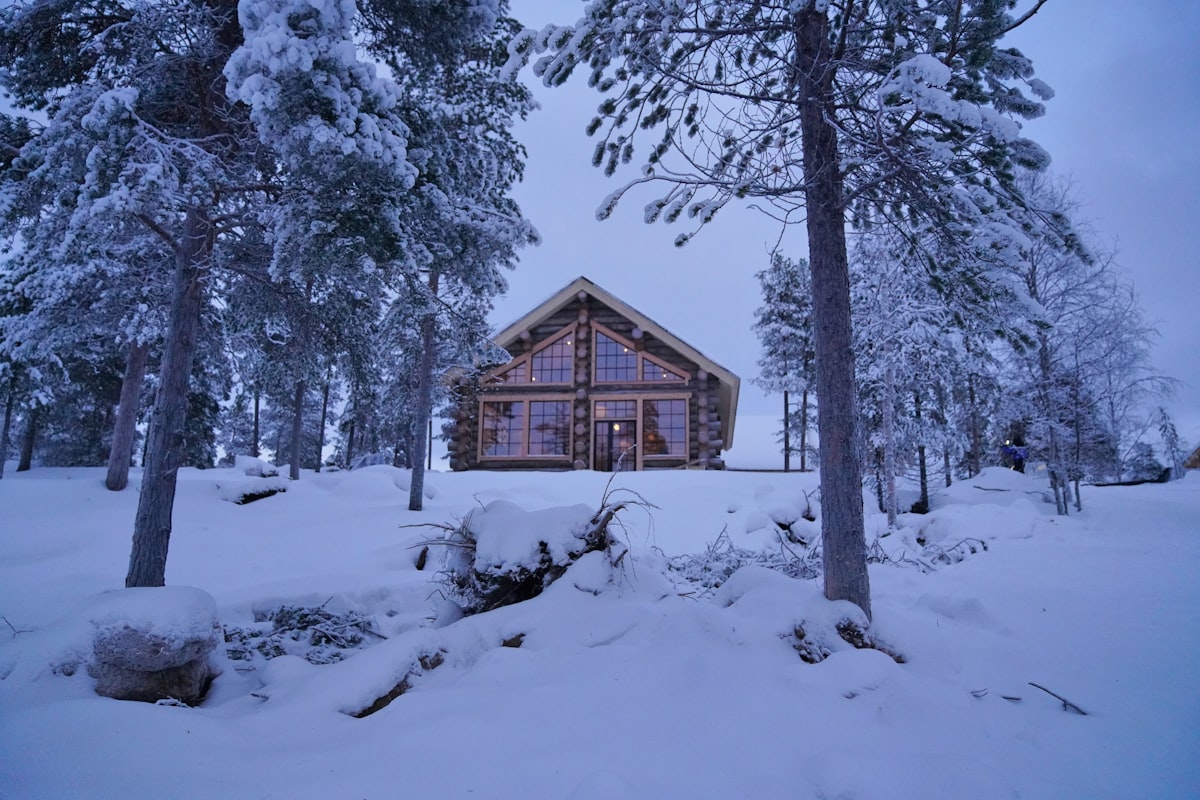
Photo: Unsplash
Christmas in Lapland has become one of the most popular family holidays in Europe, and the appeal is easy to understand: the snow is guaranteed, the darkness is dramatic, and the landscape looks exactly as children imagine it should. But "Christmas in Lapland" covers an enormous range of trips — from two-night Santa packages for toddlers to a full week of winter activities for a mixed-age family. The gap between a great trip and a frustrating one comes down to when you go, which base you choose, and what you actually do with your days.
This guide covers the decisions that matter: dates, bases, booking timing, and how to build a week that works for your family.
When to go — and what the Christmas window actually means
The Finnish Lapland winter season runs from late November through March. Christmas specifically — meaning snow-guaranteed, school-holiday, Santa-relevant travel — falls between 20 December and 6 January. That is when demand peaks, prices peak, and charter flights from Central Europe fill up first.
Finnish Christmas Eve (24 December) is the main event in Finland: Santa distributes gifts on the evening of the 24th in the Finnish tradition, not Christmas Day. For families with young children who care about the Santa experience, the 24th carries weight in both directions — it is the most atmospheric night of the year, and the most crowded.
The first week of December suits many families better than Christmas week itself. Snow arrives reliably in Finnish Lapland by late November. Days are short — sunrise near the Arctic Circle comes around 10am and sets before 2pm — but that darkness is what makes the northern lights visible and the whole mood genuinely Arctic rather than postcard-perfect. Activity bookings are easier to secure, and prices drop considerably.
Which base: Rovaniemi, Levi or Saariselkä?
Rovaniemi is where most families go for Christmas. It sits on the Arctic Circle, it has direct international flights in winter from major German, Austrian and Swiss cities, and the infrastructure for family travel is established. Santa Claus Village is a few kilometres from the town centre, on the Circle itself.
The downside is volume. Rovaniemi at Christmas hosts tourists from dozens of countries at the same time. The village and its surrounding activity providers are well-organised, but you share the experience with many other families.
If you want Christmas activities combined with a genuine sense of remote Finland, Saariselkä or Kittilä give you more of that. The trade-off: you need to arrange a Santa meeting as a separate excursion rather than having it as a natural part of your base. For families where older children have grown out of the Santa element, that trade-off tends to be worth it.
The full comparison of Rovaniemi, Levi and Saariselkä covers each base in detail, including airport access and what each suits best.
What to do with children at Christmas
The core activity roster in December is the same as any winter trip: husky sledding, reindeer sleigh rides, snowmobile tours (for adults and older children), ice fishing, snowshoeing, and aurora watching on clear nights. Two things change at Christmas specifically.
Reindeer take on more prominence — the culture and calendar around them in Finnish Lapland makes December visits feel connected to something real rather than staged. Second, children who still believe in Santa can have a meeting that feels genuinely convincing, depending on how it is arranged.
The mass-market Santa Village experience in Rovaniemi is well-run but high-volume: a queue, a short visit, photos, out the other side. Private meetings arranged through smaller operators — often in a forest hut setting, with more time and a more personal atmosphere — land differently with children. If that distinction matters to your family, it is worth arranging through someone who knows which operators do it well.
For younger children (roughly 3 to 8), the Santa element tends to dominate everything else. For older children, the outdoor activities — driving a husky team independently, a night snowmobile trip, a night in a glass-roofed cabin watching for the aurora — carry more weight than any village visit.
How far ahead to book
Christmas week in Finnish Lapland is one of the most competitive booking windows in European family travel. Charter flights from Germany, Austria and Switzerland to Rovaniemi sell out well before autumn. Accommodation at the most sought-after properties — private log cabins with hot tubs near the activity areas, glass igloo rooms — goes similarly fast.
For travel arriving between 20 and 26 December, book flights six to nine months in advance. For Christmas 2026, the booking window is open now. Waiting until September is possible for some properties and routes, but the best options are typically gone by then.
The Rovaniemi family trip guide has a section on where to stay that covers the range of accommodation types honestly.
How many nights
Four to five nights works well for most families. Two travel days plus three full days of activities gives children enough time to do the things that matter without running low on energy — and the cold genuinely tires young children faster than a city break does.
A full week suits families who want to pace things, add a longer excursion (a night in a wilderness hut, a day trip to a different area), or build in rest days. Christmas week in a well-chosen cabin tends to be self-sufficient; you do not need to fill every hour.
What does Christmas in Lapland cost?
Christmas week carries a significant premium over shoulder-season travel. Flights cost more, accommodation prices rise, and some activity providers charge peak rates. A family trip in December costs meaningfully more than the same itinerary in January or February.
The complete Lapland cost guide breaks down the numbers honestly across different family sizes and accommodation types. The short version: the biggest variable by far is where you sleep. A hotel room near the village costs far less than a private cabin in the forest, and the experience of the two is quite different.
How Aarni helps
Planning Christmas in Lapland from Central Europe involves a lot of moving parts: flights that book fast, accommodation quality that varies significantly, and activity providers where some are excellent and some are not worth the money.
Aarni Lapland plans the trip around your family — how old your children are, what they are ready for, what matters most to you, and what you can leave out. The result is a concrete itinerary with specific recommendations, not a fixed package with elements you did not choose.
Planning starts at €200. If Christmas 2026 is on your radar, the next few weeks are the right time to start.
Planning a trip to Lapland?
We plan one trip at a time, by hand, around the people travelling. Tell us what you're after and we'll come back to you personally.
Start planning