
The Best Time to See the Northern Lights in Finnish Lapland: When to Go, and Why
When is the best time to see the northern lights in Finnish Lapland? An honest guide to the season, how the months differ, and why timing is only half.
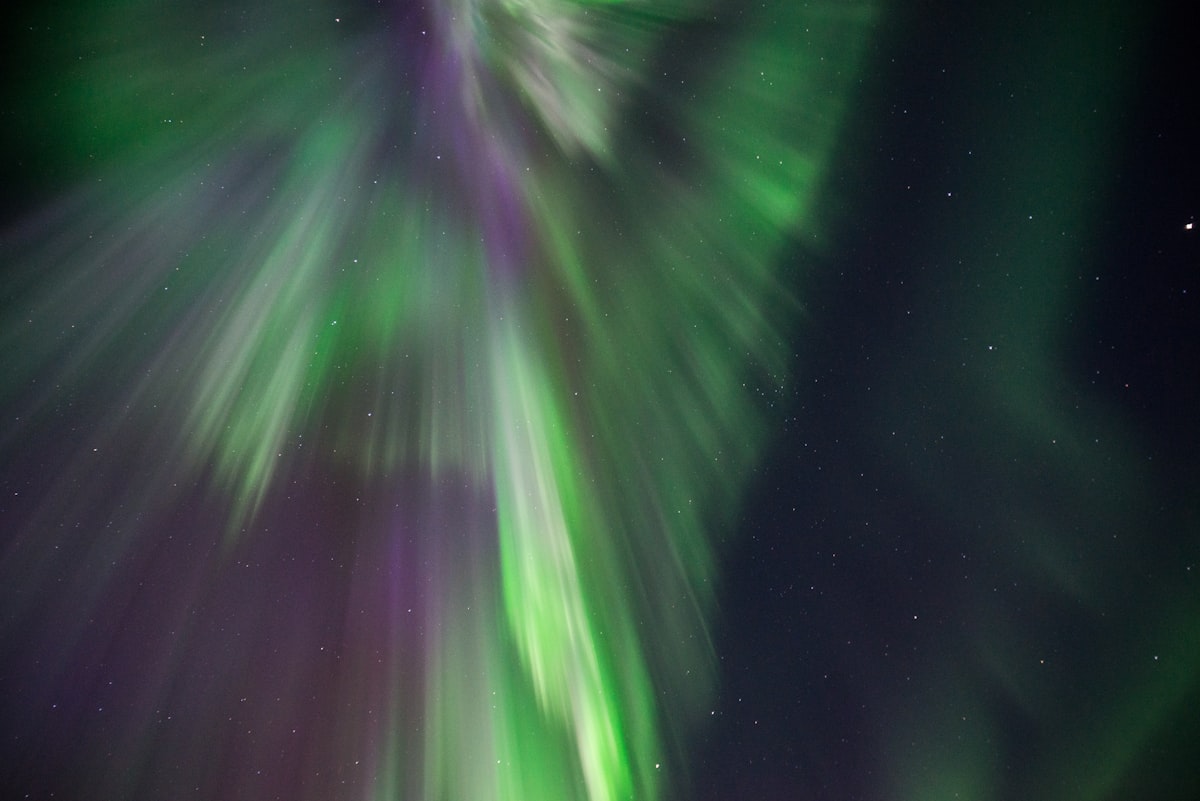
Photo: Unsplash
Most people ask me the same thing a few months before they travel: when is the best time to see the northern lights in Finnish Lapland? It's the right question, and I'd rather answer it honestly than sell you a guarantee. The short version is that the aurora season runs roughly from late August to early April, and the one thing that decides it is darkness. But the best time to see the northern lights isn't a single perfect week — it's a long stretch of months, each with its own trade-offs. Here's how I think about it as someone who lives and guides here in Rovaniemi.
So when is the best time to see the northern lights in Finnish Lapland?
The aurora happens far more often than people realise — including in summer. The reason you can't see it from May to mid-August is simple: this far north the sky never gets properly dark. So the northern lights season in Finland is really a darkness season. From late August the nights return, and by early April the light has taken back over.
Within that window you'll hear two schools of thought, and both are right in their own way. Some people swear by the deep midwinter months for the long, dark nights. Others point to autumn and early spring for higher activity. Neither is wrong — they're just optimising for different things.
Why darkness, not cold, sets the calendar
It's a common assumption that the aurora needs brutal cold. It doesn't. Temperature has nothing to do with whether the lights appear — darkness and a clear sky are what matter. A dark, cloudless night in early September can give you just as good a display as one in January.
What actually changes from month to month isn't really how often the aurora shows up. It's how long your nightly viewing window is, what the landscape looks like underneath the sky, and how comfortable the waiting is. That's the real difference between the seasons.
How the months differ
Late August to October — the early season. The nights have returned but deep snow usually hasn't. Days are still reasonably long, temperatures are mild, and the autumn colours (we call this ruska) are striking. The lakes often aren't frozen yet, so you get the lights mirrored in open water. Around the autumn equinox there tends to be a run of active nights. The trade-off: you miss the postcard snow scene, and early autumn can be wet and cloudy.
November to January — midwinter. This is when you get the most darkness of all. Around the winter solstice in December the sun barely clears the horizon, so the sky is aurora-dark for almost the whole day. Add fresh snow, frozen lakes and the run-up to Christmas, and it's the classic Lapland picture. The trade-offs are real, though: it's the coldest stretch, the days are very short for other activities, and November in particular is often the cloudiest, least reliable month of the season.
February to early April — late winter. Quietly my favourite. The snow is deep and dependable, the days are lengthening again so you can actually do things in daylight, and the cold is easing from its worst. The spring equinox tends to bring another run of active nights, and the skies are often clearer and more settled than midwinter. The only catch: by April the returning daylight starts to eat into your viewing window again.
| Period | Darkness | Landscape | Best for |
|---|---|---|---|
| Late Aug–Oct | Returning, moderate | Autumn colours, open water | Mild weather, reflections, fewer crowds |
| Nov–Jan | Maximum | Deep snow, Christmas | Longest dark windows, full winter feel |
| Feb–early Apr | Long but shortening | Reliable snow, brightening days | Settled skies, daytime activities, comfort |
The equinox factor
You'll often read that September and March are the best months. There's something to it: statistically, geomagnetic activity tends to peak around the equinoxes, so autumn and early spring can deliver more active displays. It's a tendency, not a timetable — the aurora doesn't read a calendar. I wouldn't choose my dates on the equinox alone, but if you're already flexible, late September or March stacks the odds slightly while also giving you kinder conditions.
It's worth knowing that the sun runs on a roughly eleven-year activity cycle, so some years are livelier than others. That's interesting context, but you can't plan a single trip around it, and a quieter year still delivers plenty. If you want the fuller picture on reading forecasts and positioning yourself, I go deeper in our guide on seeing the northern lights in Finnish Lapland.
What actually decides a sighting on any given night
Once you've picked your season, the calendar stops mattering and four things take over — none of them about which month it is:
- A clear sky. This is the big one. If you can see stars, you can probably see aurora; cloud is the number one reason people miss them.
- Darkness away from light. Get away from town and streetlights. Even a short drive out makes a real difference.
- The time of night. Activity is usually strongest somewhere between about 9pm and 2am, often around midnight. You have to be willing to be up and out.
- Patience. Displays come and go. A blank sky at ten o'clock can be alive by midnight. The people who see the lights are usually the ones who waited.
Why it's never guaranteed — and how we plan around it
No honest local will promise you the northern lights. Anyone who does is selling you weather, and nobody controls that. What we can do is stack the odds in your favour, and that's where planning earns its keep.
The way I build a trip around the aurora comes down to three things. First, give yourself enough nights so a couple of cloudy ones don't sink the whole trip. Second, stay somewhere with mobility — being able to move to a clear patch of sky matters, because Lapland weather is local and it can be overcast in town while it's crystal clear half an hour away. Third, lean on a local read of the forecast: I watch the cloud and aurora outlook day by day and point you to the right place on the right night rather than guessing. That's the quiet advantage of planning with someone who's actually here.
How many nights should you give yourself?
If the aurora is a real priority for your trip, I'd plan for at least three dark nights, and ideally four or five. One or two nights is a gamble on a single roll of the dice — fine if you're relaxed about it, frustrating if it's the reason you came. More nights doesn't just add chances; it lets us pick the clearest one and travel to meet it. If you're still deciding when to come at all, our month-by-month guide to visiting Finnish Lapland sets the aurora alongside everything else a trip up here can be.
The honest summary: the best time to see the northern lights in Finnish Lapland is any clear, dark night between late autumn and early spring — and the rest is patience, position and a bit of luck. Get the season right, give yourself enough nights, and let someone local handle the timing.
If you'd like a trip planned around your best shot at the lights — the right base, enough nights, and a local watching the sky for you — start your journey here and tell me what you're hoping for.
Planning a trip to Lapland?
We plan one trip at a time, by hand, around the people travelling. Tell us what you're after and we'll come back to you personally.
Start planning